
Bed Bug Control in Farmington, CT
Two useful things before anything else. Bed bugs are beatable when the work is done properly. And in this town, the question worth asking early is often not about your apartment at all, but about the building your apartment sits in. A good share of the Farmington calls we take involve buildings housing more than one household behind the same walls, and bed bugs treat that as a single space.
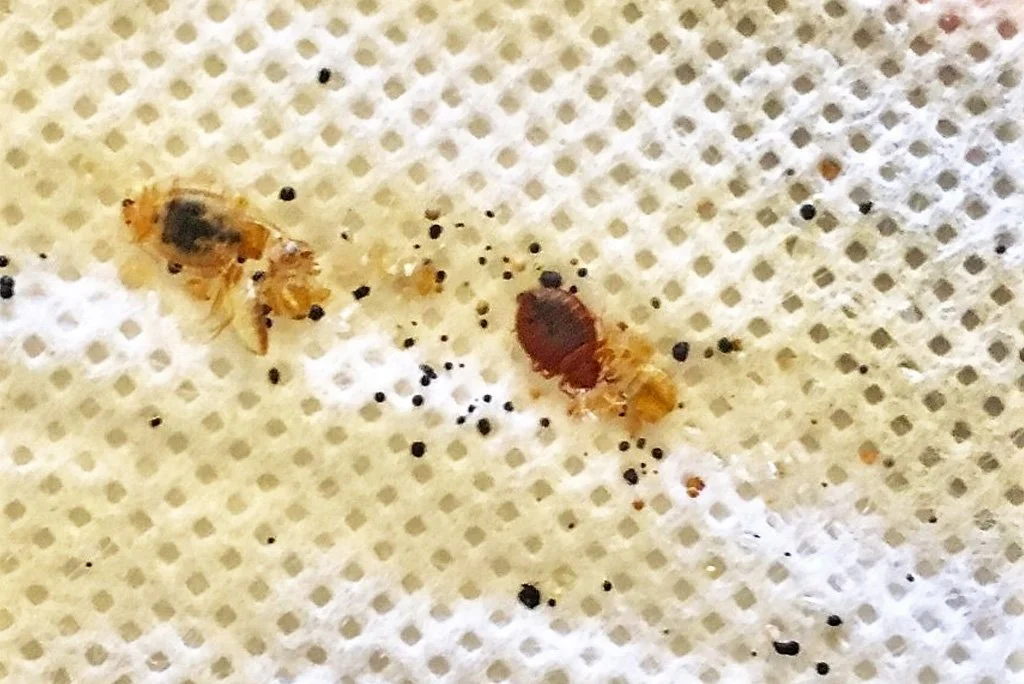
Send a photo of the insect or the evidence. We will confirm it before anything else happens, and we will keep it between us.
What You Are Looking At
What people usually notice first
- Bites appearing overnight in a line or a loose cluster, typically on an arm or a shoulder
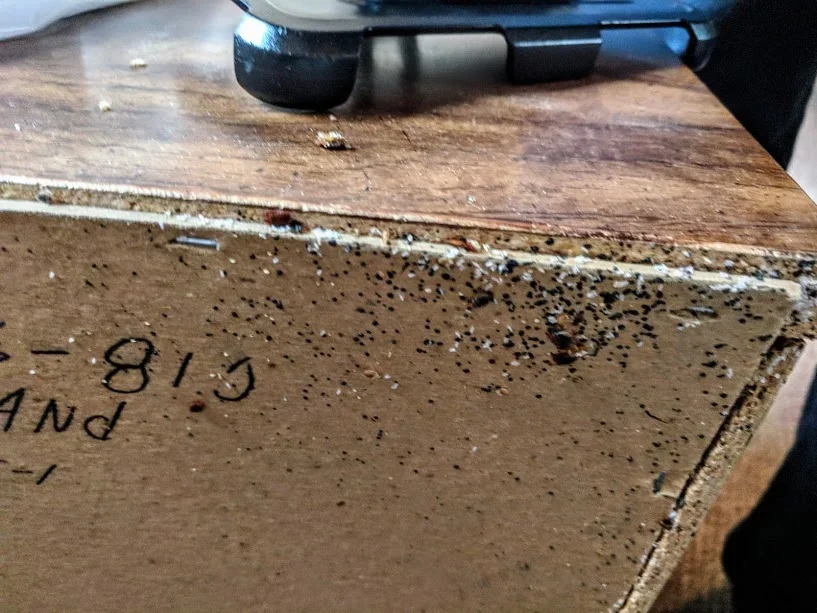
- Dark pinpoint staining that does not wash out of a fitted sheet
- A sweetish, slightly musty smell in a room that has been closed up, in heavier cases
- Something live, generally found at two in the morning by somebody who put the light on
Where we search first in a divided house
- The wall the bed is pushed against, especially if a neighboring unit is on the other side of it
- Outlet and switch plates on that wall, which come off in seconds and tell us a great deal
- The gap where an old doorway was closed up during the conversion, often behind a dresser or a bookcase
- Stored items in a shared basement, which is where a building's problem tends to circulate
- Only then the bed itself, because in a conversion the bed is frequently where it ended up rather than where it started
How they travel between units
- Shared wall cavities
- Outlet and switch boxes on a common wall
- Plumbing and utility chases running floor to floor
- Shared basements, stairwells, laundry and storage
- Furniture moved through a common entry
Start to Finish, Quietly
The first call
No phone tree, no salesman, no lecture. We keep it between us, and we do not discuss your case with anyone without your say-so.
Confirming what you have
There are several insects that bite people indoors and look close enough at a glance. Getting this wrong wastes the treatment and hands the real problem a few more weeks to spread.
Sizing it up
How many rooms are involved, how long it has been going on, and who else lives in the building. On a confirmed case, that is usually a phone call rather than a visit.
The awkward question about your neighbors
Who else lives in it, what is shared, and whether anyone else has reported anything. It is an awkward question, and it is the one that decides the result.
The number and the timeline
Including preparation that will improve the outcome. We do not promise a single visit when one is unlikely.
Treatment day
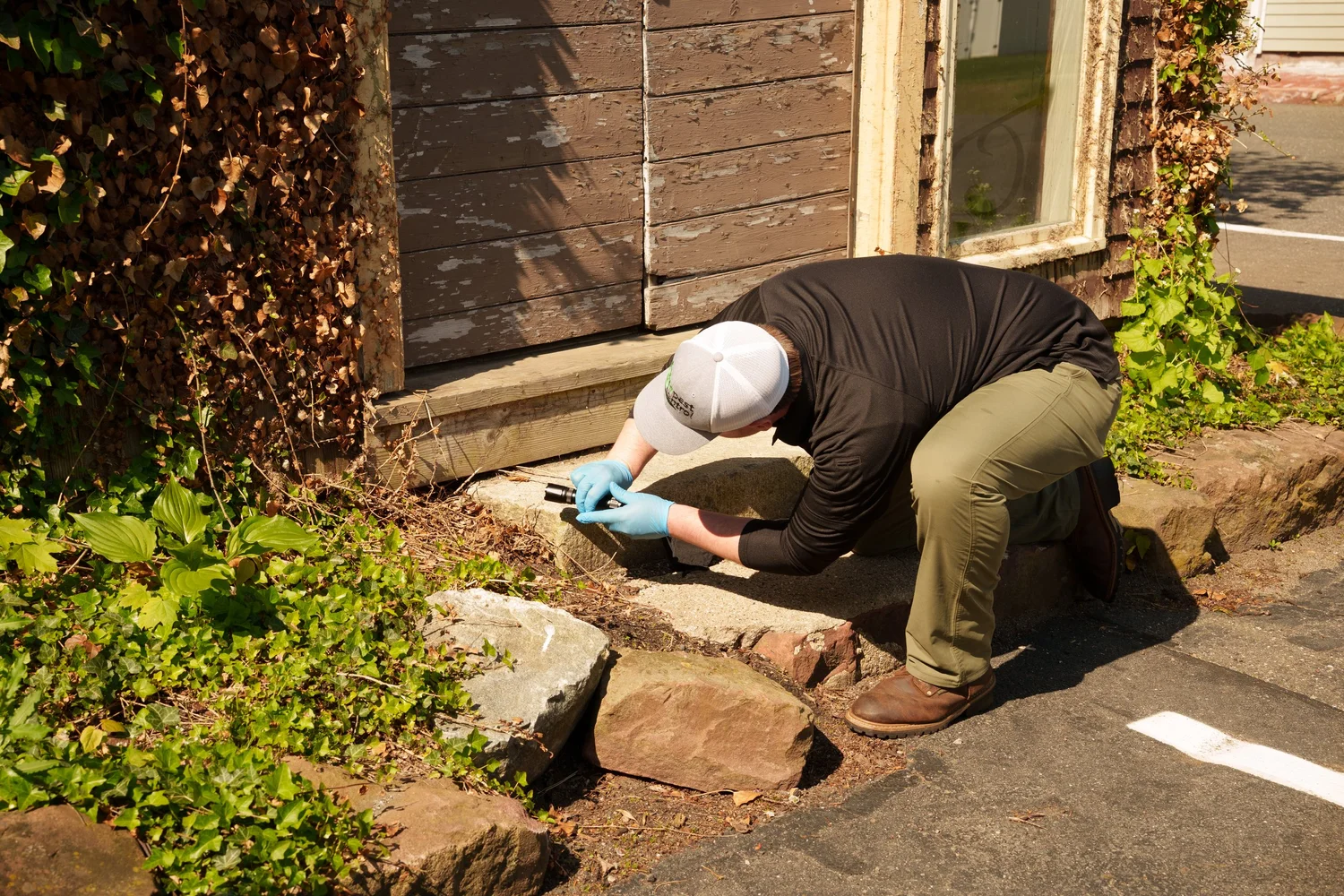
Careful work through the harborage: seams, frames, cracks and crevices. The adults go, and the generation behind them never reaches breeding age, which is the only way the numbers stop coming back.
Following it out to the end
Elimination tracks reproduction, so we see it through to the end rather than calling it finished when the visible numbers drop.

Why Half a Treatment Fails
Eggs are laid in hundreds, glued into seams and crevices where a spray will not touch them. Treatments aimed at the adults produce a satisfying drop and then a rebound a few weeks later as those eggs hatch, which is precisely the cycle that gives bed bugs their reputation for being unbeatable. They are simply unforgiving of a treatment that addresses half the life cycle and stops.
Two other things are worth saying plainly. Bed bugs do not transmit disease through their bites. And they track body heat and the carbon dioxide of someone breathing in their sleep, so they are indifferent to how clean a home is. The most fastidious household on the street is as exposed as any other.
One Roof, Several Households
A good share of the Farmington calls we take are in large older houses that were divided into two, three, or four units at some point, and around the village center and Unionville that is a housing pattern we meet regularly. To a bed bug, none of those divisions exist. The walls that separate the households are the same cavities it travels through. Those divisions were built to separate people, and at that they work fine.
This produces the most demoralizing situation in the whole trade: a household that does everything correctly, prepares properly, receives good treatment, and is re-infested by a unit they have no control over. We name it at the start, because finding it out at visit four helps nobody.
Older conversions add a particular wrinkle. Division work done decades ago rarely sealed the cavities between units, because nobody was thinking about insect movement. Original trim, wide baseboards, and generous casework provide a kind of harborage newer buildings rarely offer.
So, in a divided house, the early conversation about the structure matters more than the conversation about the bedroom.
Bed Bug Questions from Farmington
I live in one unit of a three-family. Is treating my apartment pointless?
My landlord says it is my problem. Is it?
Everyone in the building has to prepare, or it fails. How do I raise that with my neighbors?
Can I stay in the house while this is happening?
How long before I can trust it is over?
How much does bed bug treatment cost in Farmington?
What People Say Afterward
Why Farmington Households Call Us
- Nothing about your case is discussed with anyone without your say-so
- We say the awkward thing early, including when the answer complicates the job
- Treatment aimed at the eggs and nymphs as much as the insects you can see
- An office at 769 Farmington Avenue, so follow-up visits are quick to arrange
Let's Get It Confirmed First
Send an image of the insect, and we will tell you what it is, usually the same day. Everything after that is a conversation about the building.
Discreet, thorough, and finished properly.