
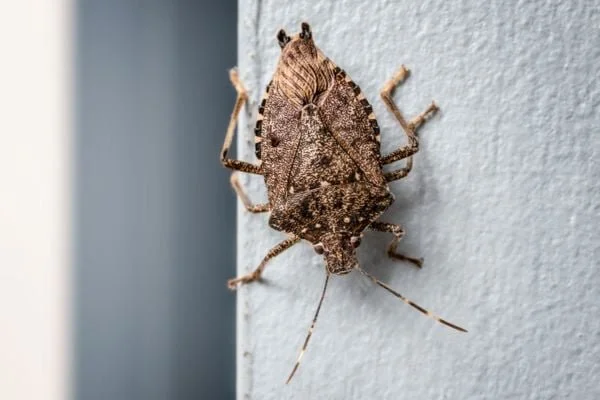
Stink Bug, Lady Beetle & Occasional Invader Control in the Farmington Valley
Exterior Insects Before They Get InEco-Friendly & Low-RiskNo Contracts, No SalesmenCT Licensed B-3361
Timing is different for every pest and home: dozens of bugs on the sunny wall, then the windowsills, then the ceiling. They're a nuisance, not a danger, and the trick to controlling them is persistence.
Bugs on your siding? The best time to treat is before they're inside. You can also send us a photo for an ID.
Three Things That Make Occasional Invaders Manageable
Occasional invaders feel overwhelming when they're all over the house, but they're one of the more controllable pests once you understand them.
They're a Nuisance, Not a Danger
Stink bugs, lady beetles, conifer seed bugs and boxelder bugs don't bite, sting, or transmit disease, and they don't damage the structure. Some people barely notice a handful on a windowsill; others reach their limit fast when the bugs are above the dinner table. Both reactions are valid, and we'll give you an honest read on whether your situation calls for treatment or just a little patience.
Timing Is Everything: Treat the Exterior Before They Get In
The pro move is a preemptive plan in place before they cling to the home, lay eggs in the framework or find their way in. Think of it as a perimeter you hold before the crowd arrives, rather than a cleanup after they've filled the room. The first is manageable; the second is a season-long game of whack-a-mole at your windows.
Once They're In, Containment Beats Panic
If a few have already made it indoors, vacuuming is usually the cleanest and most effective first step. Avoid crushing them (especially stink bugs), keep windows and doors closed during peak activity, and resist the urge to spray interior surfaces heavily. Professional interior treatments, if ever considered, are light and targeted, designed to knock down the current activity without turning your home into a chemical zone.
The Occasional Invaders We Treat Across the Valley
The insects we group as occasional invaders
- Brown marmorated stink bugs: shield-shaped, the classic Fall nuisance
- Asian lady beetles: orange "ladybugs" that cluster and stain
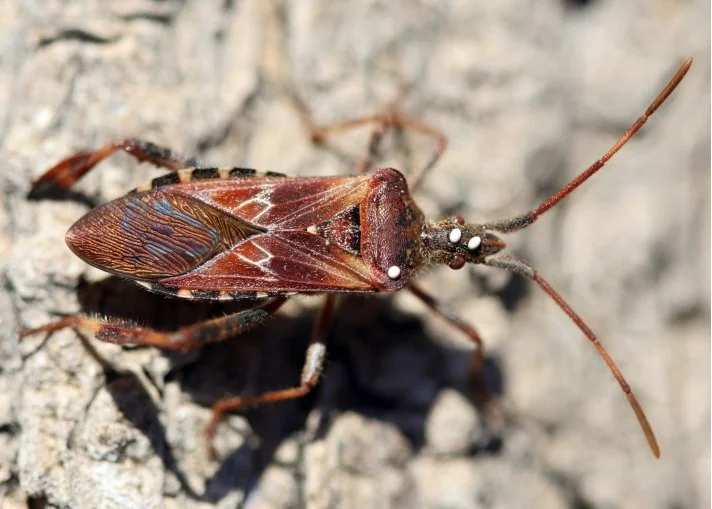
- Western conifer seed bugs: long, narrow, often mistaken for stink bugs
- Boxelder bugs: black with red markings, gathering on sunny walls
- Wood roaches: outdoor roaches that wander in (not the indoor kind)
Signs of an occasional-invader problem
- Large clusters on sunny, south- or west-facing walls in Fall
- Bugs appearing on windowsills, ceilings and light fixtures indoors
- Sudden surges weeks or months after the weather turned
- The same rooms or windows affected year after year
- Bugs emerging on an unusually warm Winter or early-Spring day
Where they get in
- Tiny gaps around windows, doors and siding
- Soffits, vents and rooflines
- Cracks and crevices where they lay eggs to overwinter
- Wall voids and attics, where aggregations build up
Situations we handle
- Recurring invasions that return every year
- Homes on wooded lots or near pines and ornamental plantings
- Light-colored, sun-exposed homes that get hit hardest
- Multi-unit and commercial properties needing seasonal prevention
How Our Occasional-Invader Control Works
You Reach a Real Person or Send Us a Photo
These insects are easy to confuse, and the right treatment starts with the right ID.
We Schedule a Free Evaluation
Free to everyone nearby. We confirm the day before and again within 20 minutes of our arrival.
We Read the Home and the Exposure
Sun-exposed walls, the color and build of the home, the gaps around windows, soffits and vents, and the surrounding tree line.
You Get a Clear Recommendation and Price
The treatment and the timing, with a firm price up front. No pressure, no contract.
We Put Our Plan in Place
An exterior barrier along with some professional recommendations will keep these insects from accessing inside areas at scale; focused on the sun-exposed walls and entry points.
We Set Honest Expectations About Timing
Eggs are often already deposited within the framework, so a generation or two may still emerge in surges. This is normal, and it diminishes over time.
We Keep the Numbers Down Year Over Year
Clients who stick with seasonal prevention often tell us the second and third years are dramatically quieter. The established eggs have played out and nothing new has settled in.
“Green Pest Control is a great company with a great product. The guys are always on time and very professional. I haven't seen any critters since they first started!”
— Nick S · Google reviewWhat Affects the Price and What Interests Us First
Occasional-invader treatment depends on the home and the surrounding pressure. We evaluate free, then quote exactly what's needed, and timing, with occasional invaders, is most of the battle. You've already seen the bugs, so it's an evaluation to scope the pressure, not a paid inspection to go looking for it.
- The size of the home and how much sun-exposed wall there is to treat
- How heavy the outside population is around your property
- The condition of the building(s) needing relief
- Complexities involving access to treatment zones
- The color and build of the home: light-colored homes draw more
- Whether the problem is well established from previous years
- One-time treatment versus seasonal Preventative Maintenance
- Discounts for homes already on a Preventative Maintenance Service
Proactive Beats Reactive
This is a problem that rewards being ahead of it. We'd rather help you stay ahead of the occasional invasion than sell you a frantic emergency visit once your living room is full of them.
The free evaluation gets you the right timing as well as the right price.
Real Seasonal-Pest Results From Your Neighbors
Why Some Farmington Valley Homes Get Hit Harder
South- and West-Facing Walls
Occasional invaders chase warmth and light, so walls with the most direct afternoon sun usually cluster first and heaviest. You can often predict the worst wall just by walking the house at midafternoon and noticing where the sun lands warmest, the bugs are doing exactly the same calculation.
Light-Colored Homes Draw More
Brighter houses (whites and yellows especially) are more susceptible than darker ones. A light-colored home near the woods is simply a more attractive target and benefits most from prevention.
Heat Escaping the Home in Cold Weather
As nights cool, insects are pulled toward the heat radiating from the house. That warmth-and-light contrast is what draws them to cling to the walls and probe for a way in, which is why the invasion can peak as the weather turns.
Outside Lights at Night
Porch and floodlights left on through Fall evenings noticeably increase how many gather on a wall. Switching to warmer-toned bulbs or turning off lights you don't need is a free way to make your home less inviting while our efforts do the heavy lifting.
Wooded Lots and Nearby Plantings
Conifer seed bugs thrive around pines, and stink bugs feed on hundreds of plant species. A row of pines along the property line is a steady source the bugs return from year after year. Wooded Valley lots are our most reliable repeat occasional-invader calls.
Eggs in the Walls
Even after our techniques and materials have been put in place, eggs already laid in the framework can hatch weeks or months later. We'd rather tell you about the surge before it happens than have you think the treatment failed when a dozen show up on a warm December afternoon, that emergence was baked in before we ever arrived.
The Technical Side of Real Occasional-Invader Control
Why the exterior barrier beats interior spraying
The lack of available nutrients indoors prevents the occasional invader class from completing a full life cycle indoors, so interior applications serve as a false sense of security when working toward long-term control strategies. Although indoor applications may at times be warranted during intolerable pest surges, the exterior cracks and crevices providing direct-access or egg-laying sites are the source of the problem, and where long-term benefits can be achieved.
Why "outdoor invaders" behave as one group
Stink bugs, lady beetles, conifer seed bugs, boxelder bugs and wood roaches are different insects sharing one behavior: they invade structures seasonally, drawn by light in warm months and escaping heat in cold ones. The strategy that keeps one out keeps them all out.
The timing problem, and why prevention wins
By the time most homeowners call, eggs are often already deposited in the framework, so even a perfect treatment is followed by a generation or two emerging in surges. That's the insect's lifecycle, not a treatment failure, and the core reason year-round prevention outperforms a one-off spray.
Home color, build and exposure as variables
A dark-sided home tucked in the shade with tight construction may barely need us; a light-colored home with big southern glass and an old soffit line on a wooded lot is a different story, and we'll tell you honestly which one you're closer to.
The native-population variable
The biggest unknown is how many live around your property to begin with, and that rises and falls year to year on its own. Because that pressure is outside your control, the durable answer is a maintained barrier that holds whether it's a light year or a heavy one.
Why it gets better with time
With prevention in place, occasional-invader problems genuinely diminish over the seasons. The first year is the hardest; it improves from there. You're not paying for a permanent emergency, you're paying to walk a recurring problem steadily downhill until it's a non-event.
Occasional-Invader Questions We Hear Most
What are all these bugs on my house in the Fall?
Most likely occasional invaders: stink bugs, Asian lady beetles, western conifer seed bugs or boxelder bugs. They often gather on warm, sunny walls and try to get inside to overwinter. Send us a photo and we'll confirm which one.
Are they dangerous?
No. Occasional invaders don't bite, sting, or transmit disease, and they don't cause structural damage. They're a seasonal nuisance, annoying in numbers, but not a threat to your family or home.
Should I just squash or vacuum them?
We would advise against this. Crushing a stink bug releases its odor and can stain; vacuuming lady beetles can leave your vacuum smelling for weeks. Gentle removal plus a real exterior treatment is the better route.
When is the best time to treat?
Before they get inside, although many clients contact us after their own methods have failed and matters have steadily gotten more intolerable over time. Well-timed attention outside the home is best, but like most cases, if they're already in, we will minimize the current surge and offer prevention for the times ahead.
Why am I still seeing them after you treated?
Eggs were often already laid inside the framework before treatment, so a generation or two can still emerge in surges. It's normal, it diminishes, and ongoing prevention shrinks it year over year.
Why does my house get them when my neighbor's doesn't?
Usually a mix of sun exposure, color and gaps. South- and west-facing, light-colored homes near woods get hit hardest. Two homes a block apart can have very different pressure.
Will they go away on their own?
Not reliably once they're inside, they can stay hidden in walls and attics for months and emerge on warm days. Professional treatment and prevention are what give you dependable control.
Is the treatment safe for kids and pets?
Yes. We focus on a targeted, low-risk exterior barrier rather than broad indoor spraying, and treated areas are safe once dry.
Do you treat conifer seed bugs and boxelder bugs too?
Yes. Along with stink bugs, Asian lady beetles and wood roaches, they're all handled under the same occasional-invader approach, since they behave the same way.
How much does it cost?
Factors include the home's size, condition and any outside contributing factors, so we quote after a free evaluation rather than over the phone. Our prices are at or below market average and always reflect our desire to earn long-term relationships with clients. Our materials and techniques remain superior to the alternatives.
Tell Us What You're Seeing, We'll Take It from There
The secret to occasional invaders is getting ahead of them: treating the exterior before they're inside your walls. A real person, a free evaluation, and a well-timed plan that keeps the numbers down year over year.
Held at the wall, not chased around the living room. That's the Green Pest Control difference.