
Household Pest Control in Simsbury & the Farmington Valley
Plans for everyday pestsEco-Friendly & Low-RiskNo Contracts, No SalesmenCT Licensed B-3361
Spiders in the corners, silverfish in the bathroom, crickets in the basement, carpet beetles in the closet. These are some of the everyday pests that make a home feel less like home. Most can be subdued using minimal indoor intervention.
Bug you can't name? Send a photo. Half of solving a household pest is knowing exactly what it is.
Three Things That Make These Pests Easy to Manage
The everyday household pests share a few traits that make them more controllable than they seem.
Most Are a Nuisance, Not a Danger
House spiders, silverfish, earwigs, centipedes, and crickets are overwhelmingly harmless to people and pets. Unsettling and unwelcome, but they don't bite meaningfully, spread disease, or damage your home. A few, like fleas and carpet beetles, do warrant targeted attention, and we'll always tell you honestly which category a pest falls into.
Many Are Driven by Moisture and Food, So Fix the Cause
Silverfish, earwigs, centipedes and crickets are drawn to damp conditions, and spiders go wherever the insects they eat are plentiful. A pest drawn in by a damp basement can multiply endlessly with the right resources, so making conditions unfavorable can help substantially in most instances.
One Service Handles Most of Them at Once
A well-built exterior barrier controls spiders, crickets, earwigs, centipedes and many occasional invaders together, because they all enter the same way. And because these insects can also reproduce indoors, interior and exterior intervention in a safe and effective manner is usually an ideal starting point.
The Everyday Pests We Treat
Spiders
Most are harmless house and cellar spiders hunting the other insects in your home. Controlling the insects they eat, through an exterior barrier, is more effective for long-term spider control than treating solely indoors. See our dedicated Spider Control page for the full picture.
Fleas
Fleas arrive on pets or wildlife, then establish in carpets and bedding. Effective control treats the environment, timed to the flea life cycle, in coordination with veterinary treatment of the pet. See Flea Control for the details.
Silverfish
Lovers of damp, humid spaces (bathrooms, basements, around plumbing) feeding on starches and paper, sometimes damaging books and stored items. Controlling them is as much about reducing moisture as treatment.
Earwigs
Outdoor insects that wander in from damp mulch and leaf litter. Intimidating pincers, essentially harmless, well controlled by the exterior barrier and managing moisture against the foundation.
Centipedes & Millipedes
House centipedes are unnerving but genuinely beneficial. They eat other household insects. Millipedes mass-migrate indoors after heavy rain. Both are tied to moisture, so a barrier plus drying out damp areas handles the influx.
Crickets
Field and camel crickets turn up in basements and damp lower levels, where the chirping and jumping become a real nuisance. They respond well to the same exterior-barrier-plus-moisture approach.
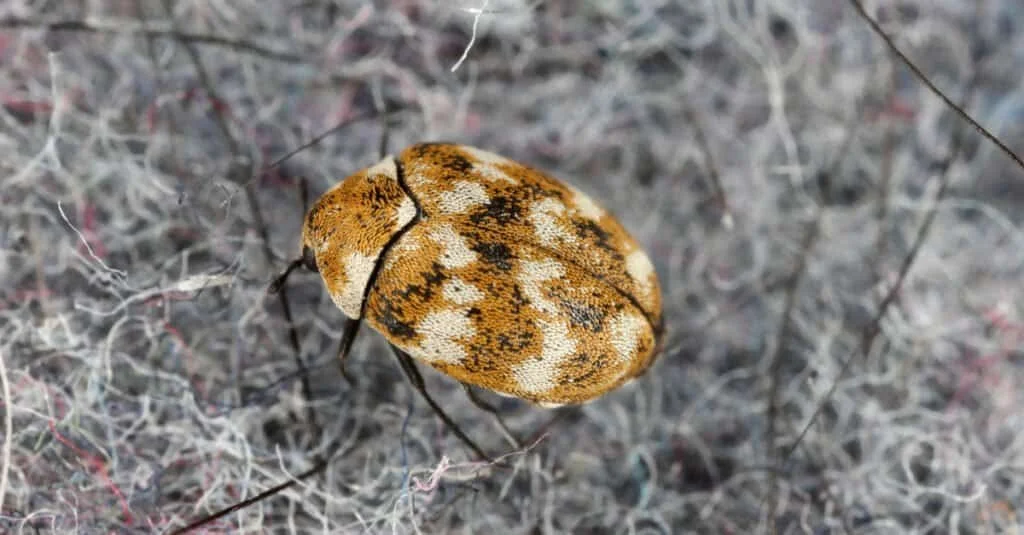
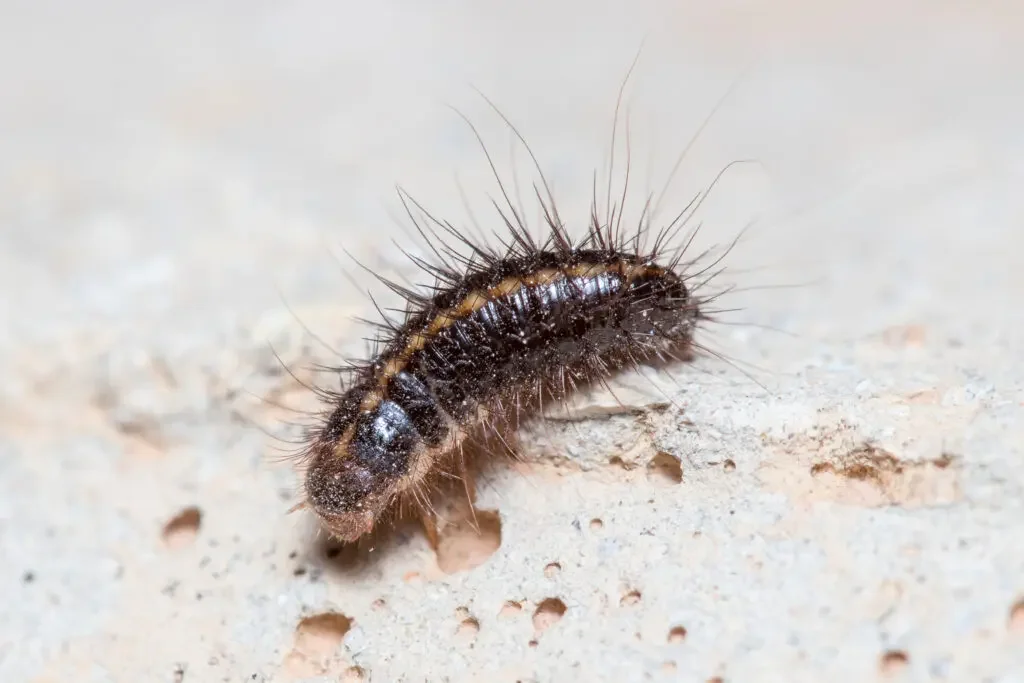
Carpet Beetles
A fabric pest, not a biting one. Also may be active in vegetation outside the structure they are being seen in. Not to be confused with bed bugs, their larvae consume wool, silk, felt, down, fur and leather, so the damage shows up in closets, rugs and stored textiles. Finding the source (a wool rug under a bed, a box of Winter sweaters) is what stops the damage.
How Our Household-Pest Control Works
You Reach a Real Person or Send Us a Photo
With this many possible pests, correctly identifying what you have is genuinely half the job.
We Schedule a Free Evaluation
Free to everyone nearby. We confirm the day before and again within 20 minutes of our arrival.
We Identify the Pests and the Conditions
Most of the time, several of these pests trace back to the same handful of conditions: moisture, mulch, an abundance of other insects, or pets and wildlife.
You Get a Clear Recommendation and Price
Usually centered on a single exterior-barrier approach covering most of the pests, with targeted treatment added for the few that need it.
We Treat the Pests and Their Food Sources
An exterior-focused approach utilizing high quality materials not only minimizes interior intervention over time, but also helps control other insects serving as food to some in this household class.
We Address the Moisture and Conditions
Fixing the damp areas and mulch placement is often what turns a recurring problem into a solved one.
We Keep Them Out With Prevention
A no-contract Preventative Maintenance Service keeps the barrier active year-round, one plan instead of a series of one-off calls.
“Neil and Austin were fantastic — very professional and easy to work with. They explained all the options we had available, without any pressure.”
— Brenda Magennis · Google reviewWhat Affects the Price and What Interests Us First
These jobs range from a single targeted treatment to a full perimeter program. We evaluate free, then quote exactly what's needed. You've already spotted the pest, so it's an evaluation to scope it, not a paid inspection to go looking for one.
- Which pests are involved and the extent of the concern
- Whether interior intervention is beneficial
- The size of the home and the areas affected
- Moisture and landscaping conditions driving the pests
- How established the problem is
- One-time treatment versus ongoing Preventative Maintenance
- Discounts for keeping a Preventative Maintenance Service in place
One Plan, Several Pests
The efficient part of these pests is that one plan often covers several of them, so the free evaluation usually reveals that handling the whole group costs far less than you'd expect for chasing each pest separately.
One consistent approach across everything that might show up in a Valley home.
Real Results Our Neighbors Trust
What Drives Household Pests in the Farmington Valley
Damp Basements and Humid Lower Levels
The Valley's older homes and high water table mean a lot of damp basements, exactly what silverfish, earwigs, crickets and centipedes are looking for. More than any other single factor, moisture determines how many of these pests a home sees.
Wooded Lots and Heavy Landscaping
Mulch beds, leaf litter and ground cover against the foundation give earwigs, crickets and millipedes both moisture and a staging area right next to the house, which is why where the landscaping meets the foundation is a dedicated focus of ours.
Pets and Wildlife Bringing Fleas
In a region full of dogs, cats and abundant wildlife, fleas are a recurring reality. The Valley's wooded, animal-rich setting keeps that pressure up, which is why flea control here works best paired with veterinary treatment of the pet.
After Heavy Rain, the Indoor Migration
Millipedes mass-migrate into homes after heavy rain, and centipedes, crickets and earwigs follow the damp inside. A maintained exterior barrier intercepts that predictable post-storm wave.
Stored Natural Fabrics and Older Textiles
Carpet beetles thrive where natural fabrics are stored and undisturbed: wool rugs, heirloom textiles, fur, down, and the closets and attics common in the Valley's older homes.
Seasonal Rhythm of the Lesser Pests
Spiders, crickets, earwigs and centipedes can remain active indoors year-round. A recurring Preventative Maintenance Service plus a targeted approach indoors when needed keeps these pests and their food-sources at reduced levels far better than reacting with each seasonal surge.
The Technical Side of Household-Pest Control
Why one barrier controls so many pests
In large part, spiders, crickets, earwigs, centipedes and many other crawling insects enter from the lawn via the foundation wall. A well-built exterior barrier of industry-leading, low-risk materials intercepts them at that common entry zone, far more efficient and with lower risk than reacting with space sprays indoors.
Predators and scavengers follow their food
Effective control for many in this class of pests isn’t always about them. It's about the insects they eat. By limiting this food supply at the gates with an exterior-focused approach, and offering targeted indoor applications if needed, we reduce the populations at the source, with a long-term outlook in mind.
Moisture is the master key
For the damp-loving group, a home that stays damp keeps re-supplying the problem. A dehumidifier in a chronically damp basement can do more to end a silverfish or cricket problem than a season of treatments, and we'd rather tell you that than sell you the treatments.
Carpet beetles versus bed bugs
Homeowners sometimes panic that small bugs in the bedroom are bed bugs when they're actually carpet beetles, which don't bite or feed on people. Their larvae eat natural fabrics, doing damage in closets, rugs and stored textiles. A completely different plan from bed bug work.
The beneficial pests you still don't want
House centipedes and spiders prey on other insects in your home, so they are often a sign of a different underlying bug problem. We treat them because they're unnerving, but we also use them as a clue. Reducing their prey through an exterior angle addresses the centipedes, spiders and whatever was feeding them at the same time.
Knowing which pests to target
Most of these pests fold neatly into the recurring exterior service; fleas and carpet beetles genuinely need targeted treatment layered on. There's no commission nudging us to add a spider job to a flea treatment, the plan you get is only what your home actually needs.
Household-Pest Questions We Hear Most
Are these household pests dangerous?
Most are not: house spiders, silverfish, earwigs, centipedes and crickets are nuisance pests, unsettling but harmless. A few, like fleas and carpet beetles, warrant targeted attention, and we'll always tell you honestly which category your pest is in.
Can one service really cover all these different pests?
Yes, for most of them. Spiders, crickets, earwigs, centipedes and many crawling insects all enter the same way, so a single exterior initiative controls them together. Fleas, spiders and carpet beetles may require targeted attention indoors on top.
How do I get rid of spiders for good?
Eliminating conditions that are favorable for them is step one. Second is deciding the right techniques and materials to bring adult activity to minimal levels, and keeping prevention in place so they won't reestablish.
Why do I keep getting fleas after I treat?
Almost always because only the visible adults were treated, or the pet and home weren't done together. About 95% of a flea population is hidden eggs, larvae and pupae, so reaching the whole cycle is what actually ends it. Many store-bought bombs and liquid sprays will extend and intensify an infestation rather than solve it.
How do I keep silverfish, earwigs and crickets out?
Reduce moisture and seal the easy entry points. Controlling humidity, managing mulch against the foundation, and maintaining the exterior barrier together keep them out far better than spraying alone.
I found small bugs in my bedroom. Are they bed bugs?
Often they're carpet beetles, not bed bugs. Carpet beetles don't bite people; their larvae eat natural fabrics. Send us a photo and we'll confirm which one you have, because the treatment is completely different.
How much does household-pest control cost?
It depends on which pests are involved and whether targeted treatment is needed beyond the barrier, so we provide a scope and cost after a free evaluation. Our prices are at or below market average and always reflect our desire to earn long-term relationships with clients. Our materials and techniques remain superior to the alternatives.
Tell Us What You're Seeing, We'll Take It from There
A real person, a free evaluation, and one plan that handles the whole cast of everyday pests, low-risk, root-cause, and honest about what's harmless. No contract, no salesman, no pressure.
One problem, one solution, not a separate bill for every bug.