
Bed Bug Control in Avon, CT
The guest room gets used at Thanksgiving, at Christmas, and for a long weekend in June. Somewhere in between, something that arrives in a suitcase in November can have eight months with nobody sleeping in the bed to notice it.
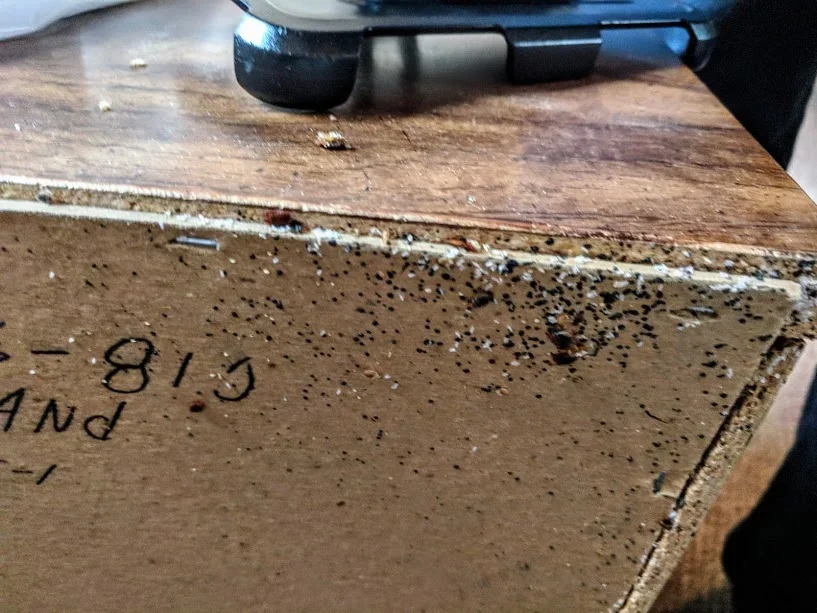
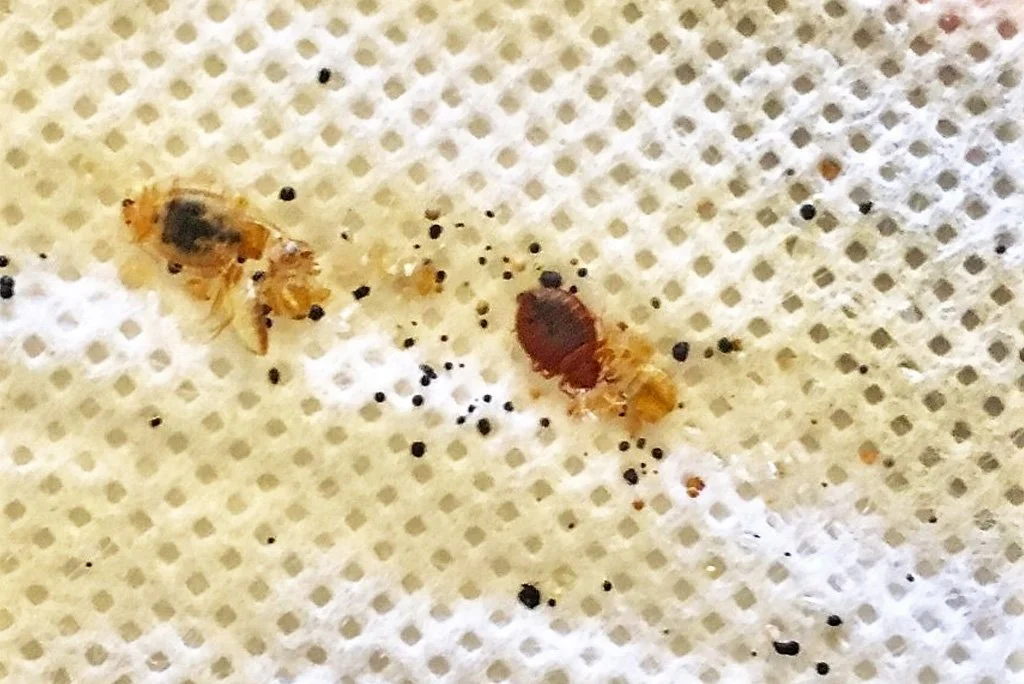
Strip the bed and photograph what you find along the seams. That is usually enough for us to confirm it.
Why an Unused Room Is the Hardest Place to Find Them
Detection in an occupied bedroom is mostly passive. Somebody sleeps there, gets bitten, notices, and pulls back the sheets. None of that machinery exists in a room nobody uses, so the problem has to be found deliberately or not at all.
It is also harder to read once you go looking. In an active bedroom, sheet staining accumulates and is noticed at the wash. In a room that has been made up since June, there may be nothing on the linen at all, because nothing has been feeding. The evidence is in the seams and under the frame, and it is sparse.
So, the check is a real check: strip the bed, lift the mattress, look along the welt on both sides, and take the headboard off the wall if it lifts easily. Ten minutes twice a year is the whole of the maintenance.
The Room Nobody Sleeps In
Avon put up 46 percent of its housing stock between 1970 and 1989, and the town's own plan places 72 percent of the stock between 1960 and 1999. The average Avon house that sold in 2015 ran 3,315 square feet. Houses of that era and that size tend to have a room set up as a bedroom and used a handful of nights a year: a guest room over the garage, a finished lower level, an in-law suite, a room a grown child comes back to. On a good number of the properties we visit, there is more than one.
Bed bugs locate a host by body heat and exhaled carbon dioxide. No host means no feeding, and a population in an unoccupied room does not die off so much as slow down, spacing out its development and waiting. So an introduction that arrives with a visitor in November produces nothing detectable for months, because the thing that normally raises the alarm is somebody waking up with bites.
Then the room gets used again, and the problem announces itself all at once, which is why these calls so often come in sounding like a sudden severe infestation. It is not sudden. It has sat undisturbed for months, and the occasional night of use has been enough to keep it going.
The second half of the problem is drift. Given long enough without a host in the room, they will work outward along whatever is continuous: trim, wall cavities, the joists under a floor, looking for where the heat and the carbon dioxide are. In a large house that can mean the problem is no longer confined to the room it started in by the time anybody knows it exists, and that is the difference between a contained job and a whole-house one.

What Happens After You Call
A person, and complete discretion
No phone tree, no salesman, no lecture, and nothing discussed with anybody without your say-so.
We confirm the insect
Several things bite people indoors and look similar at a glance. Treating the wrong one costs weeks.
We establish the timeline
When the room was last used, who stayed, and when the first bites appeared. On an intermittently used room, this matters more than usual.
We check outward from the room
Adjacent spaces, shared trim runs and whatever is structurally continuous with it, because dormancy plus time means drift.
The number and the timeline, both honest
Including preparation that improves the outcome. We do not promise a single visit when one is unlikely.
Adulticide paired with a growth inhibitor
Careful work through the harborage. The adulticide targets adults, while the growth inhibitor prevents the next generation from reaching breeding age.
We follow it out to the end
Elimination tracks the reproductive cycle, and in a room that sat dormant, we are deliberately conservative about calling it finished.
What To Look for in a Room That Is Rarely Used
- Dark pinpoint spotting on the mattress seams and the box spring, which persists with nobody there to wash it away
- Shed skins and pale eggs in seams, crevices, and along baseboards
- Live insects in the headboard or the frame around the bed
- Nothing at all on a casual look, which is why the bed gets stripped and the seams checked properly
What To Ask a Guest, and How
This is the awkward part, and it does not have to be. If somebody stayed and you have since found something, you are not accusing them of anything: they most likely picked it up in transit, from a hotel or an airport or a previous stop, and they would want to know.
The practical version is a short message saying you have had bed bugs confirmed in the room they used, that it is common and it is being dealt with, and that they may want to check their own bedroom. In our experience, people would rather be told.
The same goes in the other direction. If you have stayed somewhere and later found them at home, telling the household you visited is the decent thing to do, and it is how these get caught early.

What People Say Afterward
Why Avon Households Call Us
- Handled quietly, with no conversation you have not agreed to
- We check outward from the affected room, since dormancy plus time means drift
- An adulticide paired with a growth inhibitor, closing both ends of the reproductive cycle
- Plant-based materials available on request, at an added cost we will explain first
Bed Bug Questions from Avon
A guest stayed, and now we have them. Do we say something?
Can we still use the room while this is going on?
Do I have to throw out the mattress?
How much does bed bug treatment cost in Avon?
Strip the Guest Bed and Check the Seams
If you find something, photograph it and call. If you find nothing, you have lost ten minutes.
The quiet rooms are the ones worth checking.