
Bed Bug Control in West Hartford, CT
Yes, you can get rid of them. Bed bugs follow people and warmth, and they are indifferent to how a home is kept. In West Hartford, they arrive most often on something that moved into the building, and in a town with two universities on and around its borders, furniture and belongings move constantly.
Send a photo of the insect or the evidence, and we will confirm what you have. Discreetly.
Three Things Worth Knowing Before You Panic
They are miserable, and they do not transmit disease
Bed bugs do not transmit anything through their bites, nor do they live under the skin. The panic tends to do more damage than the insects, usually in the form of furniture thrown out that could have been saved and over-the-counter spraying that scatters them into adjoining rooms.
They are beatable when the approach is right
The reputation for being unkillable comes from treatments aimed only at the adults you can see. Correct identification, a plan matched to the situation, and materials that prevent reproduction make this a solvable job.
Reproduction decides it
A single female lays hundreds of sticky eggs tucked into seams. Kill every adult in the room, and the next generation is already hatching. That is why a household can spray and vacuum for weeks, watch the numbers fall, and never get to zero.
Turnover Housing and Why West Hartford Sees Them
Bed bugs concentrate wherever beds and belongings change hands quickly. The University of Saint Joseph sits on Asylum Avenue inside the town, and the University of Hartford sits against its northern edge, and around both you get the housing that follows a university anywhere: furnished apartments, rooms rented by the semester, houses divided among students, and a supply of mattresses, headboards, and upholstered furniture that has been owned by several people already.
The mechanism is the calendar as much as the address. Move-in and move-out weekends compress an enormous amount of furniture movement into a few days. A box spring goes to the curb, somebody takes it, and a problem contained to one unit is now in two buildings. None of that requires anyone to have done anything wrong, and none of it stops at a campus boundary: that furniture enters the general secondhand market, families take in a returning graduate, a landlord re-rents a furnished unit in a two-family a mile away.
Which is why the first useful question is rarely about the bedroom. It is about what has recently arrived: a trip, a guest, a piece of furniture, a returning student, a new tenant next door.
What Happens After You Call
You reach a real person or send a photo
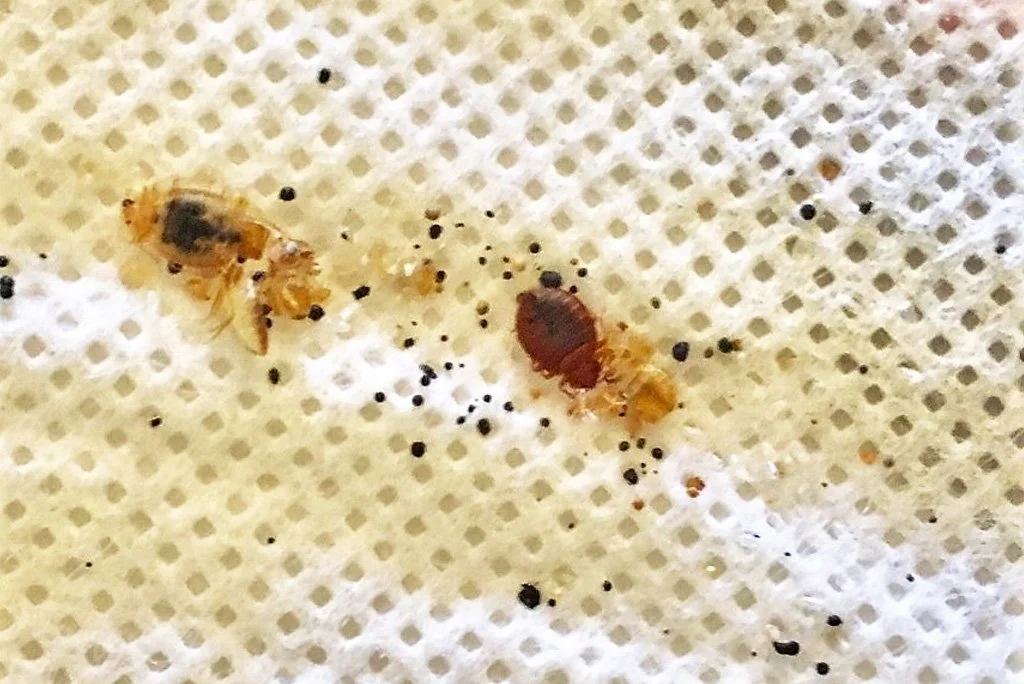
No phone tree, no salesman, no judgment. Bed bugs are often mistaken for bat bugs and other biting insects.
We confirm the identification
Everything downstream depends on it, and treating for the wrong insect costs time that an actual infestation would use to grow.
We scope the situation
For a confirmed case, most of what we need can come from a phone call: which rooms, what furniture, whether it is a single home or a unit inside a larger building.
You get a clear recommendation, price, and an honest timeline
Including any preparation that will improve the result. No fantasy promises about a single visit.
We treat with an adulticide paired with a growth inhibitor
Careful work on the harborage, meaning seams, frames, cracks and crevices. One material kills the adults, the other stops nymphs from reaching maturity, so the population cannot replace itself.
We follow it through
Elimination tracks the reproductive cycle, so it is sometimes more than one visit, and we say so at the start rather than declaring victory early.
We help you hold it
Encasements, luggage habits, and real caution with secondhand furniture. In a multi-unit building we will tell you what the building needs.
Where They Hide and How They Arrive
Evidence to look for
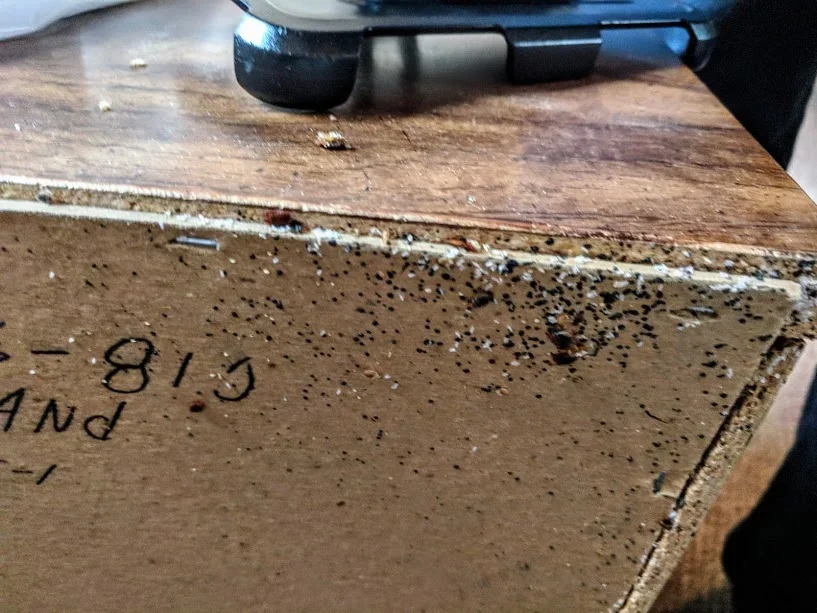
- Small dark spots on sheets, mattress seams and the box spring
- Pale eggs and shed skins tucked into seams, crevices and along baseboards
- Rusty stains on bedding
- Live insects in mattress seams, the headboard and the frame around the bed
Where they live
- Mattress and box spring seams, tags and folds
- Headboards, bed frames and the joints of nearby furniture
- Baseboards, outlet plates and cracks within a few feet of the bed
- Inside wall voids and behind trim once an infestation is heavier
How they get in
- Luggage after travel
- Second-hand furniture and mattresses
- Shared walls, outlets and conduits in multi-unit buildings
- Bags and belongings carried from an infested environment
What Helps Before We Arrive
- Stop spraying, if you have started. It scatters them and lengthens the job
- Leave the furniture where it is, including anything you were about to put on the curb
- Bag laundry and bedding from the affected room rather than carrying it through the house
- Keep a specimen if you can, in a jar or taped to a card
- Write down when you first noticed bites and any travel, guests or furniture in the weeks before
Bed Bug Questions from West Hartford
Can they actually be eliminated?
Do the bites carry disease?
Do I have to throw out my mattress?
I rent near campus. Will treating my unit be enough?
How did I get them?
Is there an all-natural option?
How much does bed bug control cost in West Hartford?
What People Say Afterward
Why Households Here Call Us
- Discreet by default, from the first phone call onward
- An adulticide paired with a growth inhibitor, which closes both ends of the reproductive cycle
- Honest timelines, including when more than one visit is likely
- A licensed family business operating under supervisory license S-6070, with the same small team throughout
- Plant-based materials available on request
Every Service We Offer in West Hartford
One Call, and Nobody Else Needs to Know
You will speak to somebody who has had this conversation many times. We confirm what you have, tell you honestly how long it takes, and get on with it.
Solvable, and sooner than the internet will tell you.