
Bed Bug Control in Bloomfield, CT
They can be dealt with, and having them reflects nothing on your household. Furniture is one of the two common routes in, alongside luggage, and it is often a good piece.
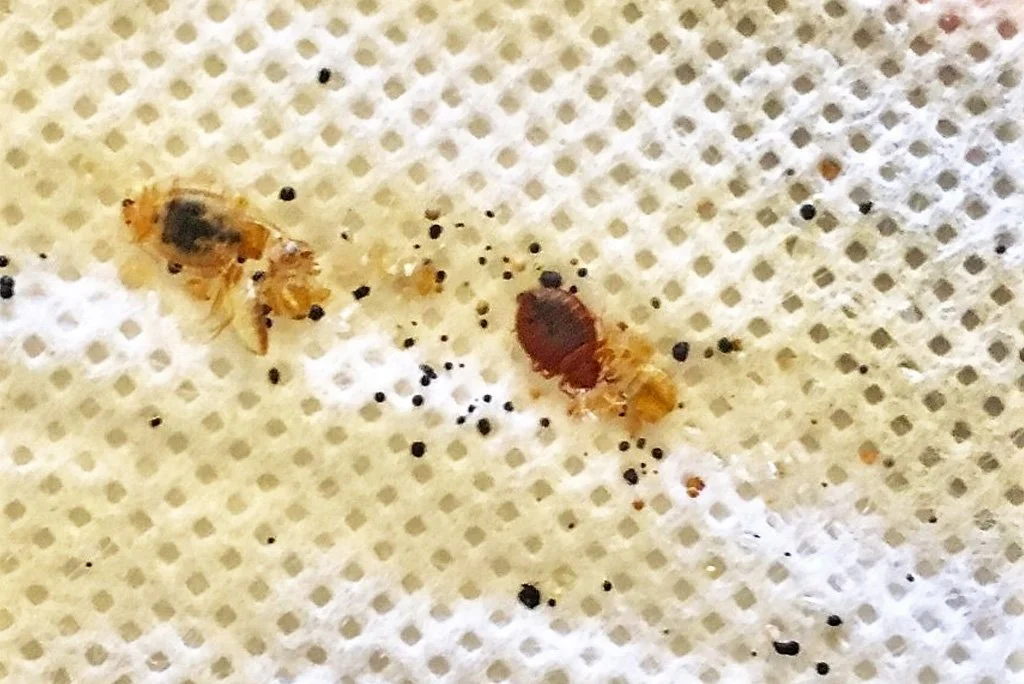
Send an image of the insect or the evidence, and we will confirm what you have. Discreetly.
What You Are Looking At
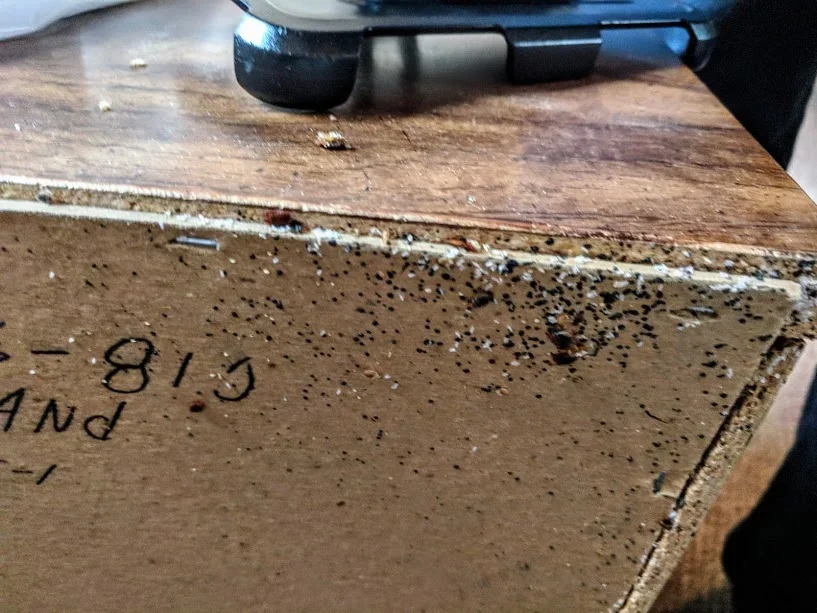
Evidence
- Dark pinpoint spotting on sheets, mattress seams and the box spring
- Pale eggs and shed skins in seams, crevices and along baseboards
- Rusty marks on bedding
- Live insects in mattress seams, the headboard or the frame around the bed
Where they sit
- Mattress and box spring seams, tags and folds
- Headboards, bed frames and the joints of furniture within a few feet
- Baseboards, outlet plates and cracks near where somebody sleeps
- Wall voids and behind trim once it has been going a while
What to check on a used piece before it comes in
- Every seam, welt and piping run on anything upholstered
- Under and behind drawers, and the runners they sit on
- Joints where a headboard or frame bolts together
- The underside, which is where people never look, and insects usually are

About a Fifth of Bloomfield Does Not Live in a Detached House
Roughly one Bloomfield home in five is in a building with five or more units. Add the two-family and three-family stock and a substantial part of this town shares at least one wall with somebody else.
That changes a bed bug job concretely, because it changes what finishing the job has to mean. In a detached house, the problem is bounded by the building. Where a wall is shared, it is bounded by whatever the population can walk through, and a bed bug uses the routes everyone else uses: the void behind a common wall, an outlet box backing onto another outlet box, a plumbing chase, the gap where a baseboard meets a door casing.
So, the first question on a Bloomfield call is which of those two situations you are in. In a detached house, the work is thorough and finished. Where you share a wall, the work is still thorough and must also account for a unit being reintroduced from next door after it is clear. That is not a reason to do nothing, nor a reason to panic. It is a reason to be straight with you at the outset about what treating one unit alone can settle and what it cannot.
The other question worth asking is what has recently come into the house. Bed bugs are moved rather than spread; they need a lift. A dresser or a bed frame out of a room where somebody slept is exactly the kind of lift they take, and solid older furniture offers more harborage than flat-pack does: dovetails, drawer runners, the gap behind a back panel, the joint where a headboard bolts to a rail.
Start to Finish, Quietly
The first call
A person, no phone tree, no lecture, and nothing discussed with anybody without your say-so.
Confirming the insect
Several things bite people indoors and look close enough at a glance. Treating the wrong one costs the weeks the real problem uses to spread.
Working out the scope
Which rooms, how long it has been going on, and what has recently arrived in the house.
Tracing the piece
If a specific item is implicated, we want to know where it has been and whether anything else came with it.
The number and the timeline, both honest
Including the preparation that improves the outcome. We do not promise a single visit when one is unlikely.
Treatment day
Careful work through the harborage with an adulticide paired with a growth inhibitor. The adulticide targets adults, while the growth inhibitor is there to prevent the next generation from reaching breeding age.
Following the cycle out
Elimination tracks reproduction, so we work to that rather than to how things look in week two.

What To Do with the Piece Itself
The instinct is to put it on the curb. That is the one move worth avoiding, because the next household takes it home and the problem simply relocates.
Solid wood furniture is usually treatable and worth keeping. The harborage is in the joints, the runners, and the underside, all of which can be reached. Upholstered pieces are harder, because the harborage is inside a structure nobody can open, and on those we will give you a straight recommendation rather than a hopeful one.
If a piece is currently sitting in a garage or spare room and has not yet been placed in a bedroom, say so on the call. That is a genuinely good position to be in, and it changes what we do first.
Bed Bug Questions from Bloomfield
We brought in a piece from an estate sale. Should we get rid of it?
How long can something sit before we would notice?
Do I have to throw out the mattress?
The piece is still in the garage. Is that good news?
We are in a condo. Does that change what you can do?
How much does bed bug treatment cost in Bloomfield?
What People Say Afterward
Why Bloomfield Households Call Us
- We keep this between us, start to finish
- We trace the introduction, because knowing what arrived changes where we look
- An adulticide paired with a growth inhibitor, closing both ends of the reproductive cycle
- Plant-based materials available on request at an added cost, and honest timelines throughout
Tell Us What Came into the House
That question and an image of the insect are usually enough to get started.