
Spider Control in Simsbury & the Farmington Valley
Inside Knockdowns, Exterior-Driven PreventionEco-Friendly & Low-RiskNo Contracts, No SalesmenCT Licensed B-3361
The reassuring truth first: Connecticut's spiders are almost always harmless house spiders. And the most effective spider control isn't just about the spiders. It's about reducing the insects they feed on.
Found a spider you can't identify? Send a photo, in the Valley, the answer is nearly always “harmless.”
Three Things That Take the Fear Out of Spiders
A little accurate information changes how a spider sighting feels. Here's what matters most in our area.
Dangerous Spiders Are Rare in Connecticut
The brown recluse is not established in Connecticut, and black widows are uncommon in the state. The spiders in the average Valley home are harmless house, cellar and cobweb spiders. The spider that startles someone awake at 2 a.m. feels like an emergency, knowing it's almost certainly harmless turns a moment of panic into a simple nuisance to handle.
Spiders Are a Symptom: They Follow Their Food
A home with ongoing spider sightings must also have many other insects feeding them, often at night, unnoticed. When a homeowner tells us they've suddenly got spiders everywhere, our first thought isn't the spiders at all. It's what changed about the insect population that's now feeding them.
Real Control Is Ongoing, Not a One-Time Spray
Spiders are crawling insects, entering from outside only via the foundation if not for overgrown vegetation elevating those access points. A single indoor spray knocks down what's there and does nothing about the next wave. Ongoing exterior attention with industry-leading materials is primarily what keeps them out.
The Spiders We Treat Across the Valley
Common Valley spiders
- Common house spiders: the typical cobweb-makers in corners and ceilings
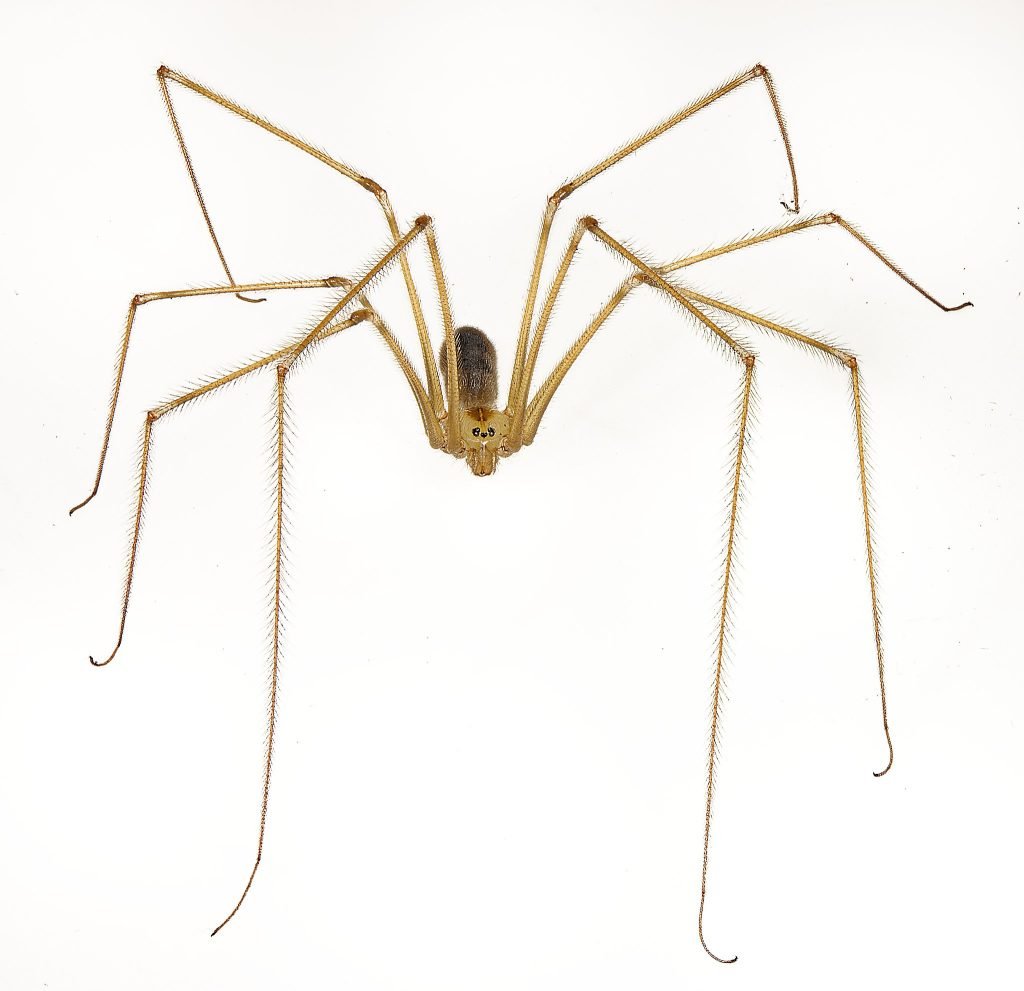
- Cellar spiders ("daddy long-legs" type): in basements and damp areas
- Grass and funnel-web spiders: outdoors in lawns, sometimes wandering in
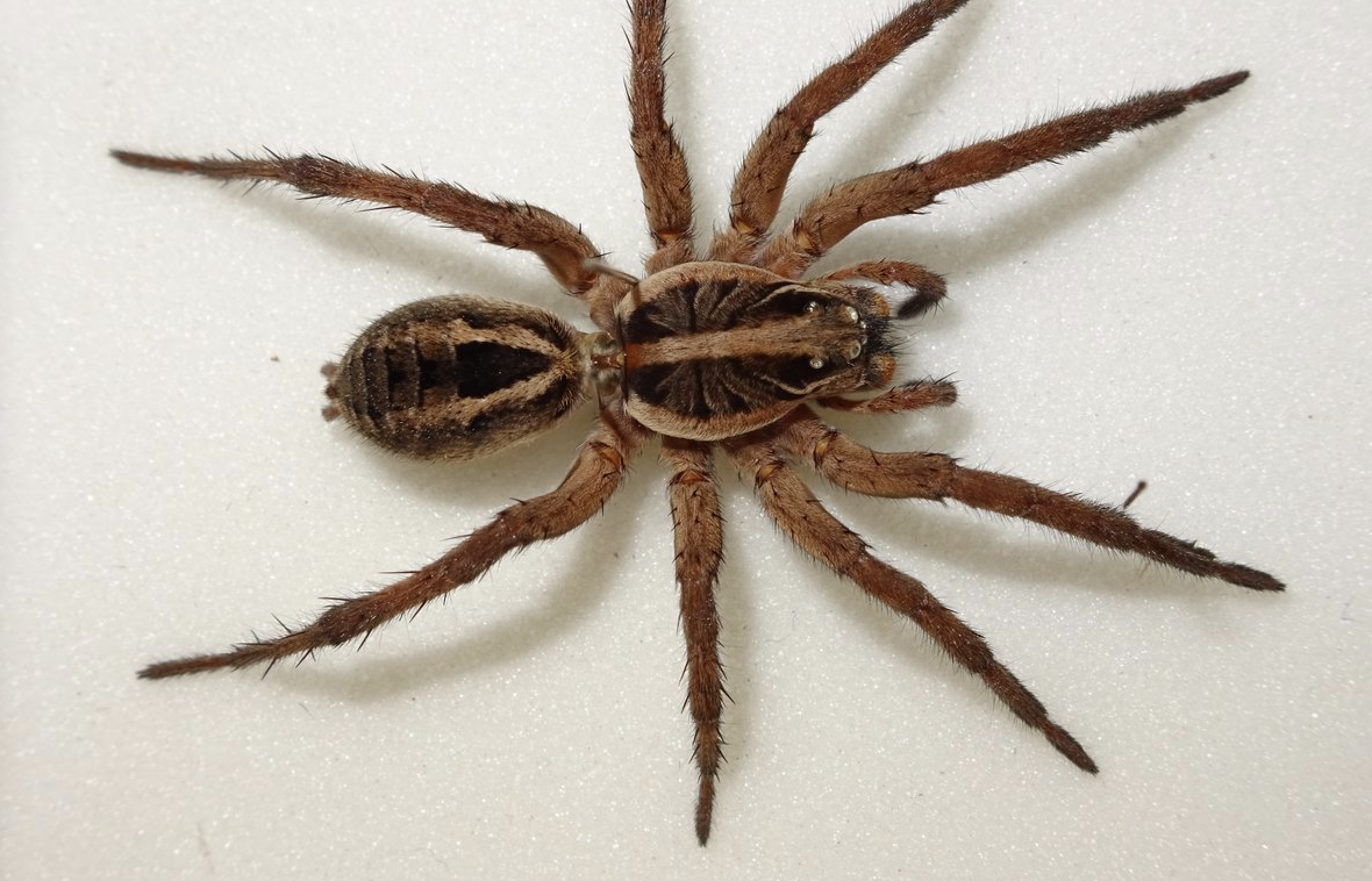
- Wolf spiders: large, fast ground-hunters with no web (alarming but harmless)
- Orb weavers: the big outdoor web-builders on eaves, decks and shrubs
Signs and where they gather
- Cobwebs in corners, ceilings, basements and garages
- Webs across eaves, doorways, decks and outdoor lights
- Egg sacs tucked into corners and undisturbed spots
- Spiders concentrated where other insects are plentiful
Why they come inside
- Through loose screens, door gaps and cracks around windows
- In search of the insect prey already inside
- For warmth and moisture, especially heading into Fall
Situations we handle
- Recurring cobwebs and spiders despite regular cleaning
- Spiders concentrated in basements, garages and eaves
- Fall "spider season" when males roam looking for mates
- Homeowners who simply want the reassurance of professional help
How Our Spider Control Works
You Reach a Real Person or Send Us a Photo
Want the reassurance of an ID? In the Valley, the answer is nearly always "harmless."
We Schedule a Free Evaluation
Free to everyone nearby. We confirm the day before and again within 20 minutes of our arrival.
We Assess Contributing Factors
Where spiders are observed and, just as importantly, what's feeding them: the other insects, where they thrive, and how to manage them.
You Get a Clear Recommendation and Price
Centered with the objective of limited indoor treatments and sufficient exterior attention. No pressure, no contract.
We Name the Attractants
Managing exterior lighting that draws prey insects, reducing clutter and harborage, thinning out vegetation near the structure, and keeping areas dry in and around the base of the home.
We Keep Them Out With Prevention
New spiders keep coming from outside, a no-contract plan keeps the barrier active and the webs down year-round.
“The owners meet with customers and actually do the ongoing work themselves, which would definitely not be the case with a big company. Neil texts ahead and they're always reliable.”
— Kate Ristagno · Google reviewWhat Affects the Price and What Interests Us First
Spider control is influenced by the building, pest pressure, and surrounding landscapes. We evaluate free, then quote exactly what's needed. You've already spotted the spiders, so it's an evaluation to scope the problem, not a paid inspection to go looking for one.
- The underlying insect population feeding the spiders
- Whether targeted indoor attention is needed
- Exterior lighting and landscaping conditions drawing prey
- Client phobia and tolerance to spiders
- Whether it's a one-time clean-up or ongoing prevention
- One-time treatment versus ongoing Preventative Maintenance
- Preventative Maintenance Service clients receive standing Discounts
Spider Control Is Really Insect Control
The free evaluation often reveals that handling the broader bug situation solves the spiders and several other pests at once. It's one of the few times a homeowner calls about one pest and ends up with a quieter house across the board.
The same barrier that starves the spiders keeps out the bugs that were drawing them.
Real Results Our Neighbors Trust
Why Valley Homes See Spiders
Wooded Lots Mean More Insects and More Spiders
A home on a manicured open lot and one tucked into the tree line a mile away can have completely different spider situations, and neither homeowner is doing anything differently, the woods are simply sending more insects, and therefore more spiders, toward the second house.
Exterior Lighting That Draws Their Prey
Bright lights pull in moths and night-flying insects, and spiders set up exactly where that buffet gathers. Swap a bright white bulb for a warm-toned one, or put the floodlight on a motion sensor, and you stop inviting the insect crowd the spiders were following, free, and it works.
Damp Basements and Cellar Spiders
The damp lower levels common in older Valley homes are prime territory for cellar spiders. Reducing that moisture and treating those spaces keeps them in check, the same way it helps with the other damp-loving pests.
Fall "Spider Season"
More spiders in late Summer and Fall is biology, not a sudden infestation, males roam in search of mates, and cooling nights nudge them toward the warmth of the house. A maintained barrier heading into Fall keeps that predictable wave outside.
Garages, Eaves, Decks and Woodpiles
A spider in your living room almost always staged in the garage, the eaves, or a woodpile first. Treating those buffer zones (and pulling firewood away from the foundation) stops most indoor encounters before they happen.
A Harmless Pest Worth Treating for Comfort
We're upfront that spider control is largely about comfort and peace of mind, and that's a completely valid reason to want it. Nobody should feel they need to justify not wanting spiders in their bedroom, and we treat that goal with the same seriousness as any structural pest.
The Technical Side of Real Spider Control
Why controlling the prey controls the spiders
A house with a thriving population of ants, beetles, and other outdoor invaders is, from a spider's point of view, an all-you-can-eat buffet. Treat only the spiders and the food supply keeps drawing new ones; reduce the insect population through the exterior barrier, and the spiders lose their reason to stay.
The honest truth about dangerous spiders in CT
We'd rather give you accurate reassurance than play on fear. The brown recluse is not established in Connecticut, and black widows are uncommon here. If you ever find something concerning, send a photo and we'll identify it honestly, but the odds are strongly in your favor.
Reading webs to read the problem
Tangled cobwebs in corners point to house spiders; long-legged webs in a damp basement suggest cellar spiders; funnel webs in the grass mean grass spiders; neat orb webs on the eaves are orb weavers. A cellar-spider problem and an orb-weaver problem call for attention in entirely different parts of the property.
Why we lead with the exterior, not the indoor spray
Indoor spraying knocks down what you can see but leaves the outdoor supply untouched, so the spiders keep arriving. A well-built exterior barrier of industry-leading, low-risk materials cuts the insects feeding them at the source, which is what makes the result hold.
Year-round attention yields optimum results
A home on a year-round Preventative Maintenance Service defeats the random surges of spiders and their food sources, simply because the attention was already in place before they started looking for a way in.
Why prevention beats reactive spraying
A spider you spray today is replaced by one that wanders in tomorrow, because the supply is outdoors and ongoing. A maintained, exterior-minded initiative plus infrequent indoor attention when warranted is far more safe and effective than broadcast-spraying indoors again and again.
Spider Questions We Hear Most
Are spiders in Connecticut dangerous?
Almost never. The brown recluse is not established in Connecticut, and black widows are uncommon here. Send us a photo and we'll identify yours honestly, we'd much rather spend two minutes giving you genuine peace of mind than let a harmless cellar spider cost you a night's sleep.
How did spiders get into my home?
Through loose screens, gaps under doors and cracks around windows, drawn in by food, warmth and moisture. The biggest draw is other insects, spiders come inside hunting prey.
How do I get rid of spiders for good?
By reducing what they eat. Timely exterior treatments with industry-leading, low-risk materials are by far the most effective long-term deterrent, right next to doing everything within reason to discourage the conditions that favor them.
Why do I have so many spiders?
Usually because there are plenty of other insects in or around the home feeding them. Wooded lots, bright exterior lighting, and damp areas all increase the insect population and therefore the spiders.
Do you spray inside my whole house?
Rarely. Our approach leads with the exterior barrier and reserves indoor attention for spots that genuinely need it, so we keep material use inside to a minimum while still handling the problem.
Is the treatment safe for kids and pets?
Yes. The approach is exterior-focused and low-risk, with treated areas safe once dry, usually under 20 minutes.
How much does spider control cost?
It depends on the structure size, underlying insect pressure, and other contributing factors, so we usually provide a firm scope and cost after a free evaluation rather than over the phone. Our prices are at or below market average and always reflect our desire to earn long-term relationships with clients. Our materials and techniques remain superior to the alternatives.
Tell Us What You're Seeing, We'll Take It from There
A real person, a free evaluation, and a root-cause plan that starves the spiders instead of chasing them web by web. No contract, no salesman, no fear-mongering.
Honest reassurance and clean corners. That's the Green Pest Control difference.