
Rat droppings near a coop make it easy to assume the rat has denned somewhere nearby. Feed, water, shelter, and eggs sit within a few feet of each other in a coop, putting everything a rat needs in one small structure. The rats using that supply point don't necessarily live under the coop itself; a burrow in a wood pile or along a fence line elsewhere on the property can be the true nest, with the coop serving as the feeding ground the animals return to every night.
What a coop offers breaks down into a few distinct draws, and each one closes off differently:
| What the Coop Offers | How a Rat Uses It | What Closes It Off |
|---|---|---|
| Spilled feed around feeders | A dependable food source refreshed every day | A tray or mat under feeders, swept clean each evening |
| Stored feed in the coop or a nearby shed | Chewed into when the container is paper, thin plastic, or loosely lidded | Feed kept in a metal or hard-sided container with a latched lid |
| Poultry waterers | A steady water source | Drip trays emptied and standing water in the run checked daily |
| Space under a raised coop | Dark, dry cover with little digging needed to reach it | The ground at the base closed off so a rat cannot dig in beside it |
| Bedding and manure that builds up over time | Cover, and spilled feed mixed into the litter | Bedding turned or removed on a schedule instead of left to build |
| Eggs and young birds | A food source worth returning for on its own | Nest boxes and brooding areas checked and secured at night |
Feed Is the Main Draw
Feed is the biggest single draw, and it comes from three separate habits rather than one. A hanging or trough feeder can scatter pellets and cracked corn onto the ground as birds peck, and that spillage sits there overnight unless someone sweeps it up. A bag or bin of stored feed left in the coop, a shed, or an open barn is a second source: a paper or thin plastic bag is chewed open, and a bin without a tight, latched lid gets treated the same way. The third habit is feeding scraps or extra ration at dusk, on the idea that it gets used up by morning. Rats are active overnight, so feed set out at dusk sits within reach for hours before the birds return to it at dawn, and that overnight window becomes something a rat learns to expect at the same time every evening.
Switching to a feeder that releases feed only under a bird's weight, storing bulk feed in a metal can with a lid, and bringing in scraps before dusk instead of leaving them out overnight closes off all three sources without changing how the flock is fed.
Water and Shelter Under and Around the Coop
A working poultry waterer supplies water reliably, day after day, and a rat returns to a water source it can count on. A nipple- or cup-style waterer that drips keeps the ground beneath it damp, and that damp spot draws a rat back to drink in the same place each night, regardless of whether the coop's feed has already been secured. The run itself can add a second water source if grading sends rainwater against one wall of the coop rather than away from it, leaving a puddle that stays after the rest of the yard has dried.
The space under a coop built on legs or blocks is shelter in the same sense a burrow is: dark, dry, and shielded from anything overhead. A rat doesn't need to dig much to use it, only to squeeze past the coop's edge, and once it's under there the coop's own floor becomes the ceiling of a space that goes unchecked. Skirting the base so nothing can get under it, and keeping the ground around the coop clear of stacked wood, feed bags, or dense growth, removes that shelter without changing how the coop itself is built.
Eggs and Young Birds
Eggs and chicks are a food source on their own, separate from feed and water, and a rat that has already been coming to a coop for feed doesn't stop there once it's comfortable moving through the space. An egg left in a nest box overnight, or a chick in a brooder with gaps a rat can reach through, is a food source in the same way as feed left out overnight. Checking and closing nest boxes at night and keeping a brooder's mesh small enough that nothing can get through it protect the birds directly and also remove one more reason for a rat to keep testing the coop after dark.
Burrows in the Run and the Yard
A rat using a coop as a feeding ground still needs somewhere to live, and that burrow can sit close by rather than directly underneath. Loose, disturbed soil in a corner of the run, along a fence line, or at the base of a wood pile or shed near the coop is one sign to look for: a burrow entrance is smooth-sided from use and has a fan of loose dirt at the opening rather than grass grown over it. A worn, narrow path connecting that opening to the coop is a second confirming sign, since rats keep to the same runway night after night and the repeated trips wear it bare.
Reaching into a burrow or picking up a dead rat bare-handed risks exposure to bites and disease. A technician handles burrows and dead rodents with gloves and the right equipment, and avoids dry-sweeping old droppings, which stirs contaminated dust into the air.
Why Control Near Birds Is Planned Differently
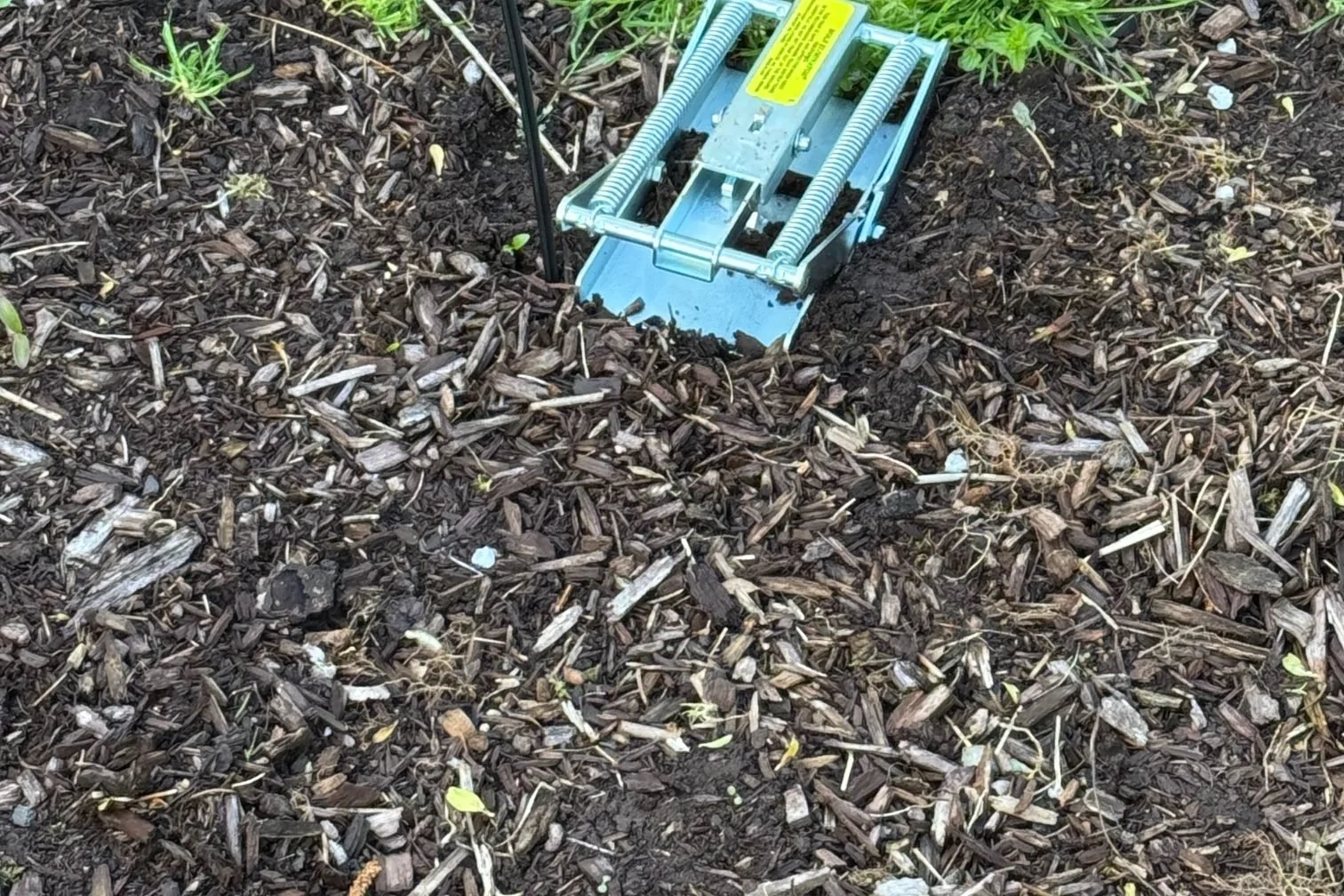
Rat work at a coop is planned around live birds, pets, and nearby wildlife, all sharing the same few square feet where the work has to happen. Near a flock, any control material has to sit where birds, pets, and wildlife cannot reach it, and placement follows the coop's layout and the routes rats already use. A rat's caution around new objects means a new bait station is not taken right away.
What a Property-Wide Rat Plan Covers
A coop doesn't explain the whole rat problem on a property, since the same animals drawn to feed and shelter at the coop also use compost bins, dumpsters, dense brush, and other structures nearby offering the same combination of food and cover. A plan built around the coop alone can clear that one supply point and still leave a population established elsewhere on the property, ready to find the coop again once it's re-secured. Mapping burrows, feeding points, and travel routes across the yard, not only at the coop, is what a property-wide plan covers. Removal comes first; exclusion at the coop and any other entry points follows, and the plan accounts for what's realistic to seal at a coop built with gaps by design, since ventilation and access points a flock needs can't be closed the way a house's siding can.
Frequently Asked Questions
Do rats near a coop always burrow right underneath it?
Not always. Norway rats, a ground-burrowing species drawn to a coop's food and water at floor level, burrow in soil and can den under a coop's edge, along a fence line, or in a nearby pile. Roof rats, where they occur, behave differently: they climb and prefer to nest above ground, in dense vegetation, a woodpile, or a coop's rafters, so a single coop can have a burrow at its base and a nest overhead from two different animals.
Can rats make the flock sick?
They can. Rats foul feed and water with droppings and urine, and those droppings can carry bacteria such as Salmonella that birds take in while eating, so feed a rat has reached can be contaminated even where little of it is gone.
Do rats put the flock itself at risk, beyond eating feed?
Yes. Chicks and eggs are a rat's first targets, and a roosting adult bird can be bitten too; a rat can also gnaw on wiring inside a coop, including a heat lamp cord, adding a fire risk on top of the rat problem itself.
Does moving the coop farther from the house cut down the rat problem?
What changes a rat's route is the cover along it. A coop set next to a wood pile, dense shrubs, or a storage shed gives a rat cover the whole way there, while a coop with open, mowed ground around it forces the same rat into the open, however close to the house it sits.
Does a raised coop need anything at ground level to stay rat-resistant?
Yes. A skirt of hardware cloth, laid flat and buried a few inches deep, extending outward from the coop's base, stops a rat from digging straight down at the wall; without it, a rat can tunnel under a leg or a floor edge that looks solid from above.
Can a deep-litter bedding system draw rats?
It can. Bedding left to break down over months holds insects a rat also feeds on, and an active, compost-style litter gives off heat that can draw a rat to nest in it in cold weather, so a deep-litter coop is worth checking for burrows and droppings along the litter's edges each time it is turned.
Engage rat control for the coop and the yard around it — a property-wide plan covering burrows, feeding points and travel routes, with rat-sized exclusion at the coop. Green Pest Control serves the Farmington Valley. Call (860) 658-2266.