
Vole & Mole Control in Simsbury & the Farmington Valley
Protecting Your Lawn and GardenEco-Friendly & Low-RiskNo Contracts, No SalesmenCT Licensed B-3361
Trails in the lawn or mounds overnight? Voles and moles are different animals with different damage and different solutions, and telling them apart is the first thing we do.
Lawn full of trails or mounds? Send us a photo of the damage and we'll identify it.
Three Things That Change How You Treat Them
Voles and moles get blamed for each other's damage constantly. Here's what actually matters.
Voles Eat Plants; Moles Eat Insects, and That Changes Everything
Voles chew grass, roots, bulbs and bark, leaving shallow surface runways. Moles tunnel hunting earthworms, termites, grubs and insect larvae; their damage is mechanical, and doesn’t include chewing plants. Treating a yard for moles when voles are eating your bulbs wastes a whole season. The two minutes spent reading the damage correctly is the most valuable part of the whole job.
Voles Are a Rising Problem Here, and They Breed Fast
Voles are active day and night, year-round, and reproduce explosively. We've watched a handful of trails in a back corner in May become a honeycombed, collapsing lawn by September on properties that waited. The population you ignore in Spring is the one that girdles your shrubs under the snow next Winter.
Lawn Pests Reward Prevention, Not One-Time Miracles
We'll be honest: voles and moles are tied to your yard's conditions and the native population around it, so a single visit rarely ends it forever. Lawn pests are managed, not banished, and a homeowner who understands that gets a far better long-term outcome than one chasing a permanent fix that doesn't exist.
What We Look For, and What We Treat
Signs of voles
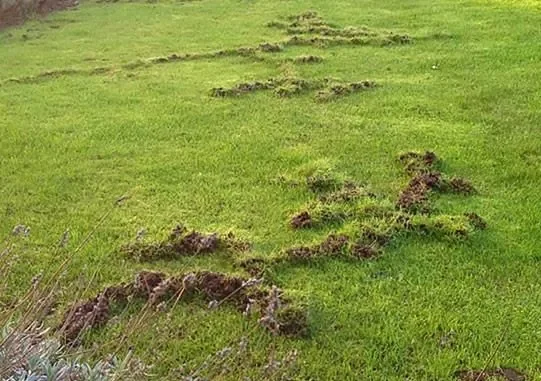
- Narrow, winding surface runways in grass or mulch, about 1–2 inches wide
- Small burrow holes and clipped, low vegetation along the trails
- Gnawed bark at the base of trees and shrubs (girdling), especially after snow
- Sudden damage appearing in Spring once the snow melts
- Collapsed grass and dying plants where tunnels honeycomb the soil
Signs of moles
- Raised ridges of soil where tunnels run just under the surface
- Volcano-shaped molehills of pushed-up dirt
- Spongy, uneven lawn that gives underfoot
- Damage concentrated in grub- and worm-rich, moist areas
- No chewed plants, the harm is from tunneling, not feeding
What draws them to a yard
- Voles: dense ground cover, mulch, tall grass and abundant plantings
- Voles: bulbs, young trees and shrubs to feed on
- Moles: lawns rich in grubs and earthworms
- Both: moist soil and the cover of heavy landscaping
Situations we handle
- Active vole runways damaging lawns, gardens and landscaping
- Girdled or chewed shrubs and young trees
- Mole ridges and molehills disrupting a lawn
- Recurring lawn-pest pressure that needs an ongoing plan
How Our Vole & Mole Control Works
You Reach a Real Person or Send Us a Photo
Send a photo of the runways, ridges or damage, identifying voles versus moles is the essential first step.
We Schedule a Free Evaluation
Free to everyone nearby. We confirm the day before and again within 20 minutes of our arrival.
We Identify the Animal and Read the Yard
Voles, moles, or both, and the conditions feeding them: ground cover, mulch, moisture, plantings and the population pressure around the property.
You Get a Clear, Honest Recommendation and Price
Including an honest read on whether it's the right time of year to implement a strategy or if it's worth a wait. No pressure, no contract.
We Treat the Active Problem
Targeted methods for the species, focused on the runways and tunnels where the animals actually travel, the eco-conscious way.
We Recommend Habitat Changes That Help
Trimming dense ground cover, managing mulch against plantings, and other adjustments that make your yard less inviting over time.
We Answer the Call if They Re-Emerge
Scaled to how sensitive the affected areas are, your tolerance for damage, and the pressure from surrounding land, a no-contract, on-call plan.
“Austin is handling our vole problem, the voles are taking the bait and should be diminishing with time. Austin's family business was our choice to hire because of a great initial visit and follow-up.”
— Dennis Bugnacki · Google reviewWhat Affects the Price and What Interests Us First
Lawn-pest work depends heavily on the size of the property, the severity, and how much of the landscape is involved. We evaluate free, then quote exactly what's needed. You've already seen the damage, so it's an evaluation to scope it, not a paid inspection to go looking for one.
- Whether it's voles, moles, or both
- The size of the lawn and landscaped area affected
- How established the population and the damage are
- How sensitive the affected areas are: prized garden vs. back lawn
- The native population pressure from surrounding land
- Whether ongoing, on-call monitoring is recommended afterward
- An active Preventative Maintenance Service earns Discounts on this service
Effort Scaled to What You Value
A homeowner with a manicured front garden and a prized row of ornamentals needs a very different plan from one who just wants the worst of the runways knocked back on a big rural lot. Pricing the work to that reality is fairer than a one-size package.
We match the effort to how much the damage actually bothers you.
Real Lawn-Pest Results From Your Neighbors
Why Valley Yards Get Voles and Moles
A Rising Vole Problem Across the Region
The Valley's mix of suburban lawns, gardens and heavy landscaping is exactly the habitat voles love. Many homeowners who never thought about them are now seeing runways for the first time.
Snow Cover That Hides Winter Feeding
Under a blanket of snow, voles feed and travel in safety, girdling bark out of sight. By the time the snow pulls back, the damage is months old. That is the strongest argument for having prevention in place before Winter rather than reacting to the Spring reveal.
Heavy Landscaping and Ground Cover
The same landscaping a homeowner is proud of is often what's sustaining the population. We won't tell anyone to tear out the garden they love, a few targeted adjustments can meaningfully lower the pressure without changing the look of the yard.
Moist, Insect-Rich Soil for Moles
Ironically, the better you care for a lawn, the more attractive its soil life can be to a mole, cold comfort to a homeowner who finds the freshest mounds right in the middle of their nicest grass. Moles have a voracious appetite, consuming any soft-bodied insect or worm in their path.
Wooded and Field Edges Feeding the Yard
You can clear your own yard completely and still see fresh runways a few weeks later as voles drift in from the meadow next door, precisely the situation that ongoing monitoring and action is intended to stop in its tracks.
Prized Gardens Raise the Stakes
A girdled specimen shrub or a bulb bed lost over Winter can represent years of growth. We scale our response to how sensitive and valued the affected areas are, putting more effort where the loss would hurt most.
The Technical Side of Real Vole & Mole Control
Reading the damage to identify the culprit
Voles leave narrow surface runways, clipped vegetation and gnawed bark; moles leave raised ridges and molehills with no plant feeding. Get this right and the plan is straightforward; get it wrong and you can spend a season chasing the wrong animal while the real damage continues.
Why vole biology makes speed matter
Voles breed from about a month old and produce several litters a year. The math is unforgiving. Every month of delay isn't a linear increase but a compounding one, as this season's litters become next season's breeders.
The honest limits of lawn-pest control
Voles and moles live in and move through the broader landscape, so no single treatment seals a yard against them permanently. Promising a forever-fix would be dishonest; delivering steady, real control is what we actually do.
Habitat modification as a core tool
Reducing dense ground cover, keeping mulch pulled back from trunks and bulbs, managing tall grass at the edges, and protecting vulnerable young trees all make a yard less hospitable. The most durable results come from treatment and habitat working together.
Protecting plants without harming the rest of the yard
We target voles and moles through their runways and tunnels rather than broadcasting product across the landscape, protecting the soil life, the pollinators, and the pets and children who play on the lawn. Solving a vole problem shouldn't mean sterilizing the yard you're trying to save.
Why prevention is the real answer for voles
A maintained, adjustable prevention plan keeps the population from rebounding between seasonal peaks and catches new pressure early. For homeowners who have braced for damage each Spring, that shift (from dreading the snowmelt to knowing the yard is being watched) is the real value of the service.
What to do about preventing moles
There are no available methods or materials that can be put in place to prevent moles, so the best method for prevention is a watchful eye on the landscape throughout the year and early action against developments. Moles mate just as quickly as they eat, making matters worse in very little time. If there is ever a concern observed, feel free to send us a photo or two and we'll give an honest professional opinion on it.
Vole & Mole Questions We Hear Most
How do I tell voles from moles?
Look at the damage. Voles eat plants: narrow surface runways, clipped vegetation and gnawed bark. Moles eat insects: raised soil ridges and molehills, but no chewed plants. Send us a photo and we'll confirm.
What are voles?
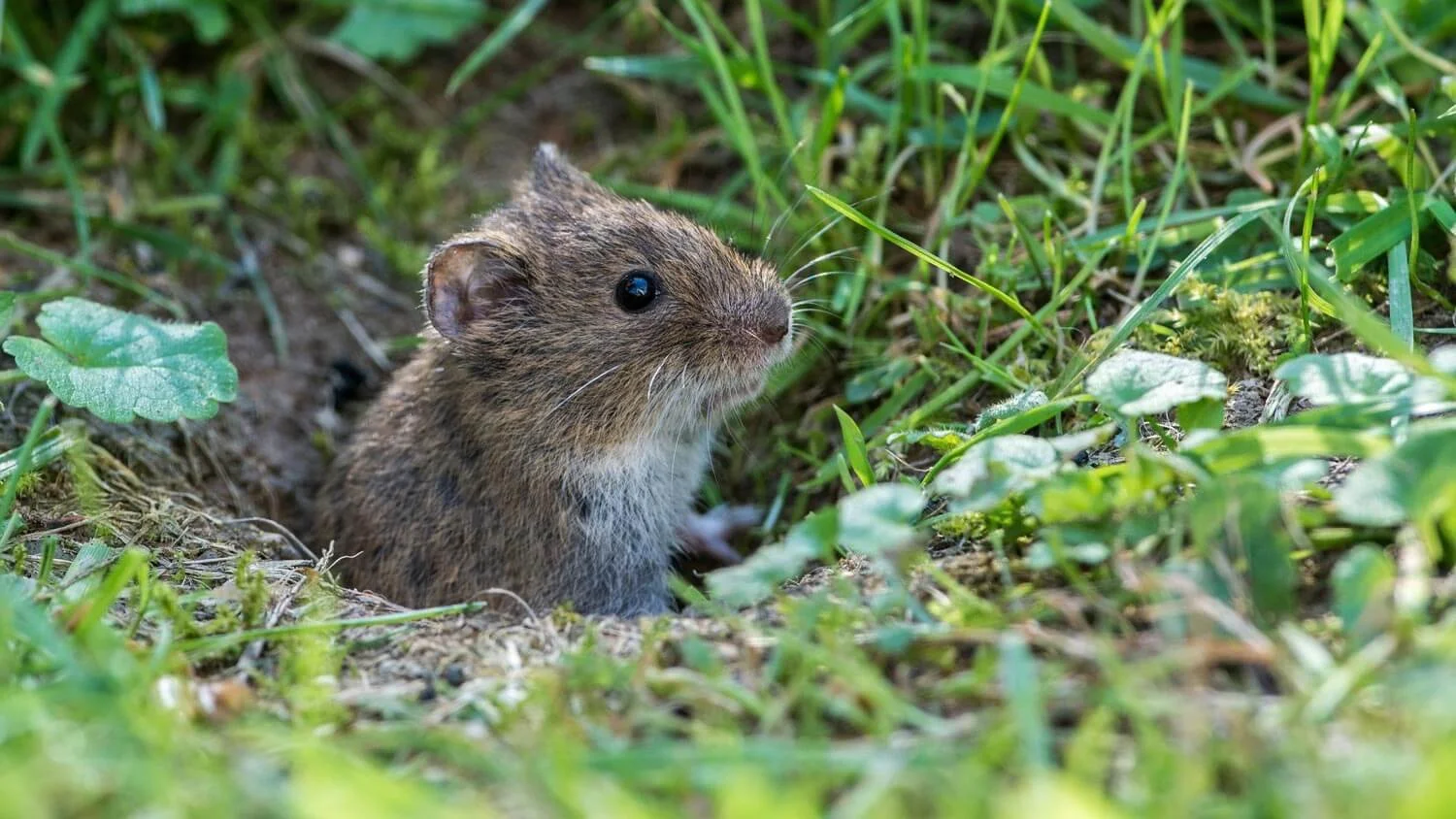
Small, stocky rodents often called meadow mice, with short tails and blunt snouts. They feed on grass, roots, bulbs and bark. They rarely enter homes but can quickly damage lawns and gardens.
What time of year are voles active?
Year-round. They don't hibernate. Populations peak in Fall and early Winter, and damage is most noticeable in Spring after snowmelt. Acting as soon as you notice them gives the best result.
Do moles damage my plants?
Not directly. Moles eat grubs and earthworms, not plants. Chewed bark, clipped greens and missing bulbs point to voles; pristine plants above a disturbed, ridged lawn point to moles. It's the cleanest single test there is.
Can vole and mole problems really be controlled?
Yes, with the right approach, but we're honest that it's ongoing management, not a one-time miracle. Targeted treatment plus habitat changes and consistent prevention gives genuinely good results.
Will DIY traps and repellents work?
They usually give only temporary relief. Once voles are established they're genuinely hard to control without a consistent, professional approach.
Is the treatment safe for pets and kids on the lawn?
Yes. We target the runways and tunnels where the animals travel rather than broadcasting product across the landscape, family-, pet- and pollinator-aware.
How much does vole and mole control cost?
It depends on the property size, the severity, and how sensitive the affected areas are, so we quote after a free evaluation rather than over the phone. Our prices are at or below market average and always reflect our desire to earn long-term relationships with clients. Our materials and techniques remain superior to the alternatives.
Tell Us What You're Seeing, We'll Take It from There
A real person, a free evaluation, and an honest plan scaled to what you value, from a prized garden bed to a rough back acre. No contract, no salesman, no pressure.
Your lawn protected, the yard still alive. That's the Green Pest Control difference.